Projects
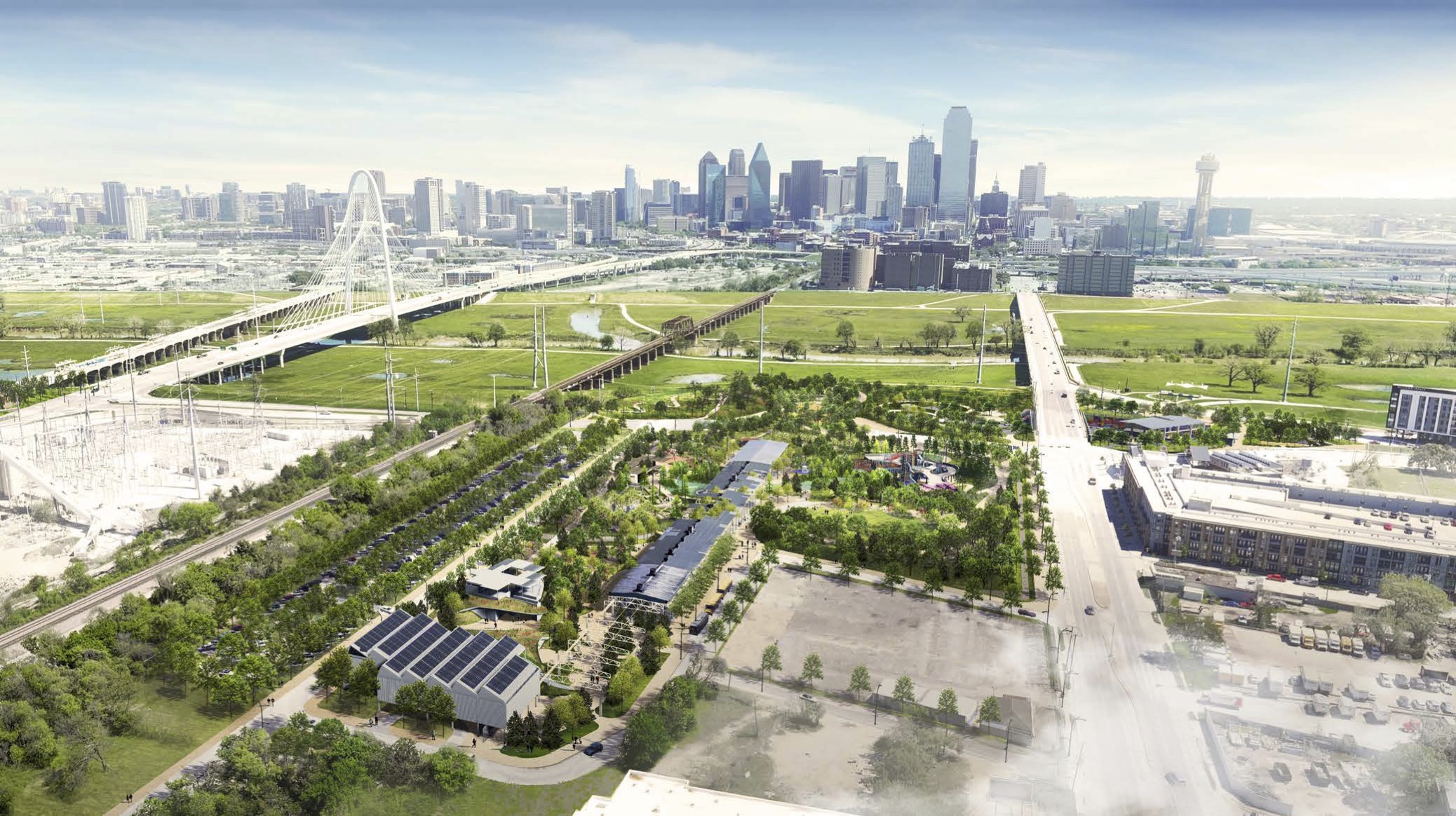
Harold Simmons Park
Parking Demand Analysis & Parking Layout Optimization

Parking Demand Analysis & Parking Layout Optimization


DeShazo Group provided parking analysis consulting services to support the Trinity Park Conservancy's new development project Harold Simmons Park. The firm conducted detailed parking demand analysis studies to accurately forecast the peak parking demand of Harold Simmons Park upon completion of each phase of construction. Additionally, DeShazo designed several parking layout optimizations of the onsite parking to guide the Trinity Park Conservancy’s parking strategy to adiquatly supply enough parking to meet the anticipated increased parking demand for the area.
🌳 Cultural & Recreational Facilities | 📍 Dallas, Texas
🧭 Scope: Parking Demand Analysis, Parking Layout Optimization
🌿 Client: Trinity Park Conservancy
📊 Parking Demand Analysis
1. Inventoried all land uses and their phases of development planned to be at Harold Simmons Park.
2. Utilized the DeShazo Group Shared Parking Model to determine the peak parking demand at Harold Simmons Park under various scenarios.
3. Visualized peak parking demand for Harold Simmons Park and provided recommendations on parking supply assistance.
🅿️ Parking layout Optimization
1. Assessed current parking supply layout and identified opportunities for expansion.
2. Developed several parking supply layout variations to maximize onsite parking supplies.
3. Recommended on- and off-site parking options to support parking supply needs identified in the Parking Demand Analysis.
🌿 Growing Access, Preserving Beauty
1. Improved Client understanding with a customized version of the DeShazo Group Shared Parking Model to accurately showcase the amount of parking demand each phase of development would generate and provided clear recommendations on how to ensure steady opperations into the furture.
1. Provided several optimized parking layouts that would maximize the onsite parking supplies for the park while maintaining a high level of the environment's natural beauty and aesthetic.
2. Outlined detailed recommendations on how surrounding parking supplies could be leveraged as well to serve the needs of the park during high parking demand scenarios.